
Read a line recently that really stuck with me: futures don’t just happen, they are created by our design choices. As a UX designer, it made me think a lot about designing not just for today, but for the world we want to live in.
Most of the time, we design for what exists right now. Mobile screens, laptops, smartwatches, maybe VR headsets. Our interfaces live inside rectangles. Even when technology changes, we often keep thinking in the same old way. We adapt old patterns instead of imagining what could actually be possible.
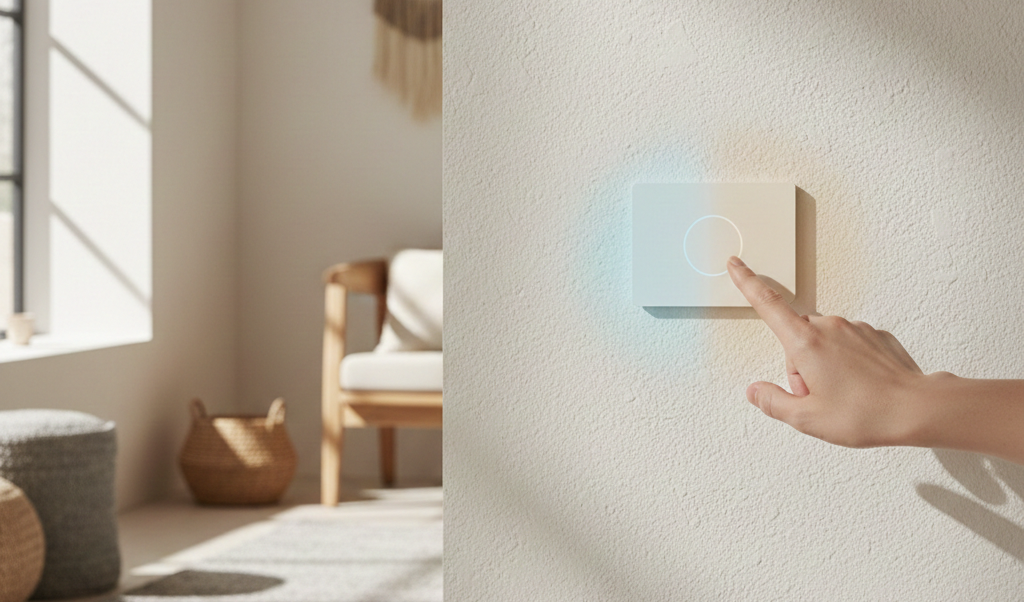
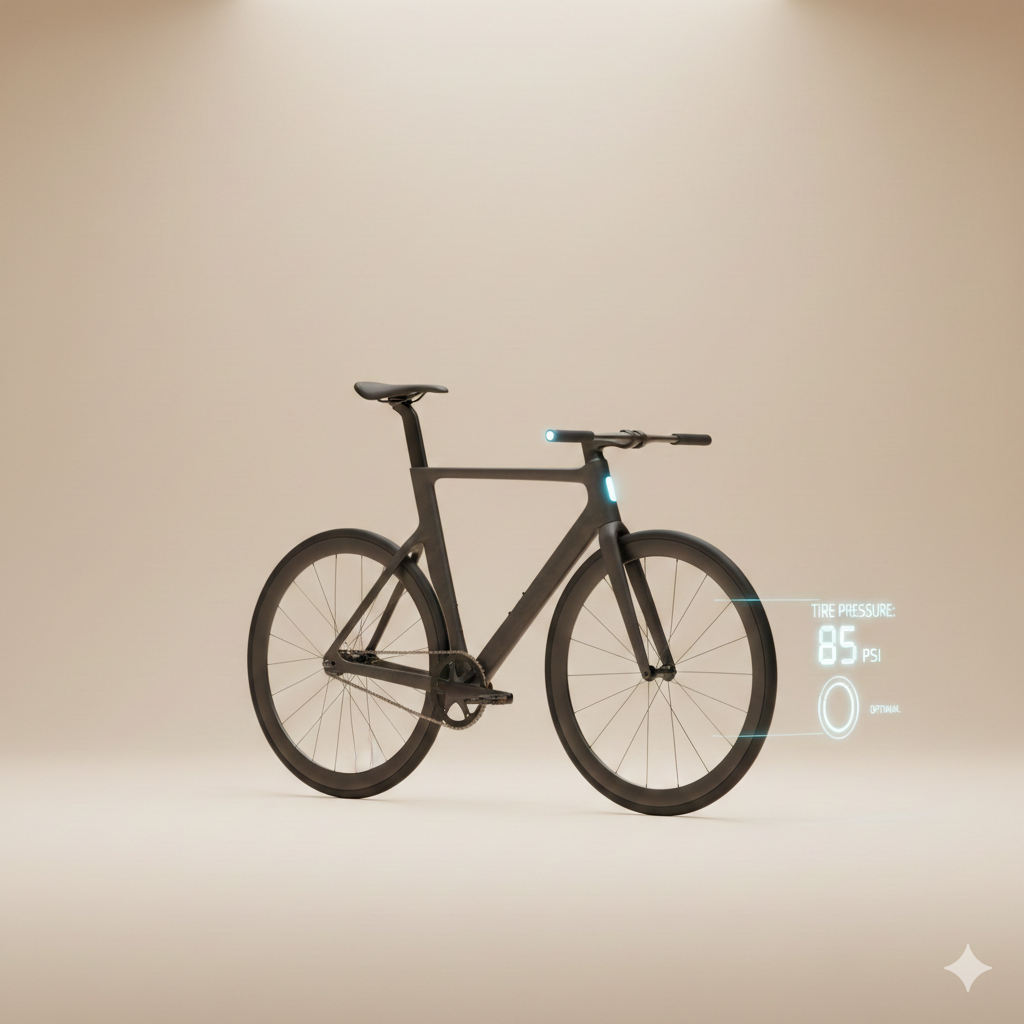
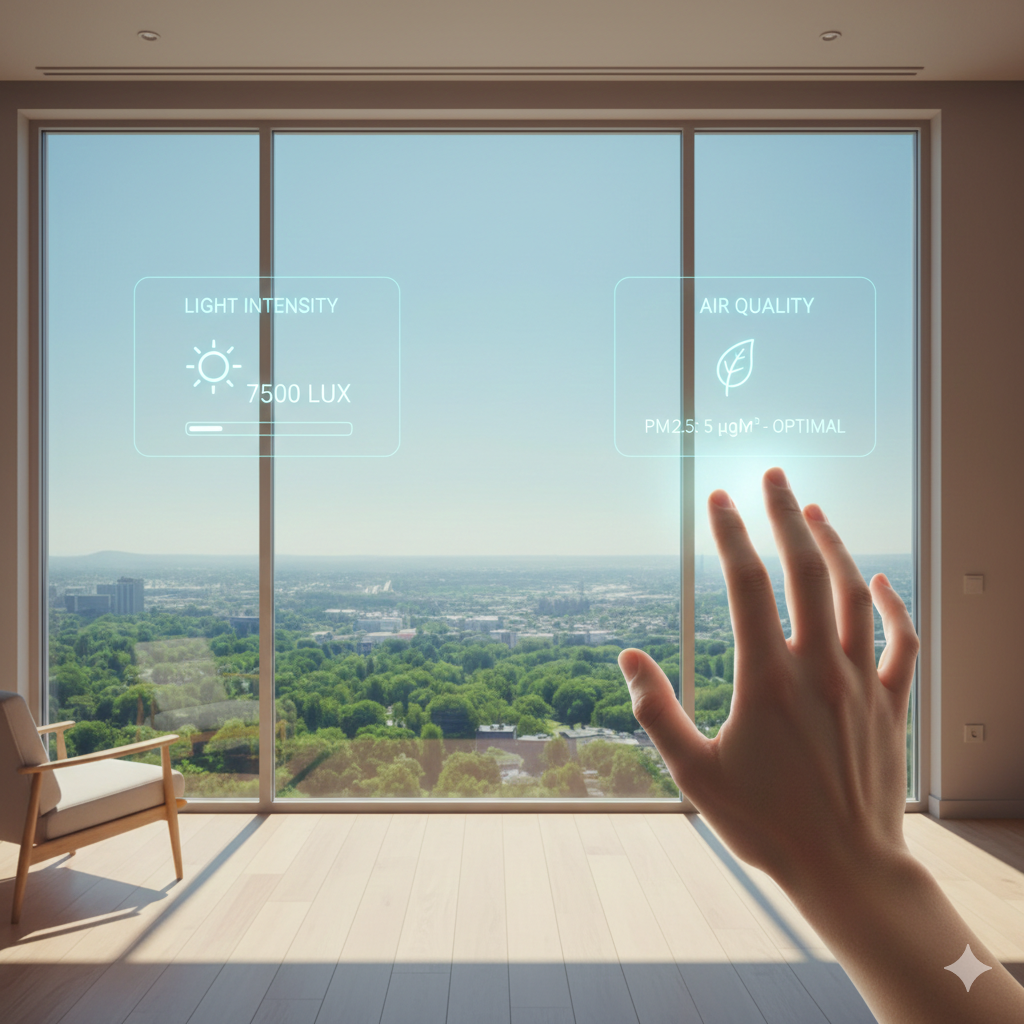
Designing for the future means thinking beyond today. It means imagining spaces and devices that respond to us naturally. If I look at a bike, why shouldn’t I see the air pressure in its tires? If I glance at a light, I could see how strong it is. A switch could turn on or off just by looking at it, maybe one blink to turn it off, two blinks to turn it back on. Future design isn’t about adding more screens—it’s about removing friction and making things just work.

I recently worked on a project imagining a world with instant access to all knowledge. Everything is automated, fast, and connected. At first, it seemed perfect. But then we realized the real problem: privacy and human experience. When everything is connected, we lose the little moments to pause, reflect, and just exist.
I also started thinking about robots. Why do we make them look like humans and do human tasks? Why have a robot pick up dishes when a dishwasher could just know what to do on its own? Why have a robot iron clothes when machines or systems could remove the need for ironing entirely? Future design is about simplifying life, not adding more complexity.
For me, designing the future isn’t about more features, cooler interfaces, or smarter robots. It’s about creating systems that respect human attention, time, and privacy. A world that works quietly in the background so we can focus on living.
These are just my thoughts on the design future. I’d love to hear what you think, where you agree, where you don’t, and how you imagine the world we’re building.
Read the full article on Medium here
